
Cruises · October 20, 2026 · 5 min read
Cruise wave season is coming. Here's what to decide before January
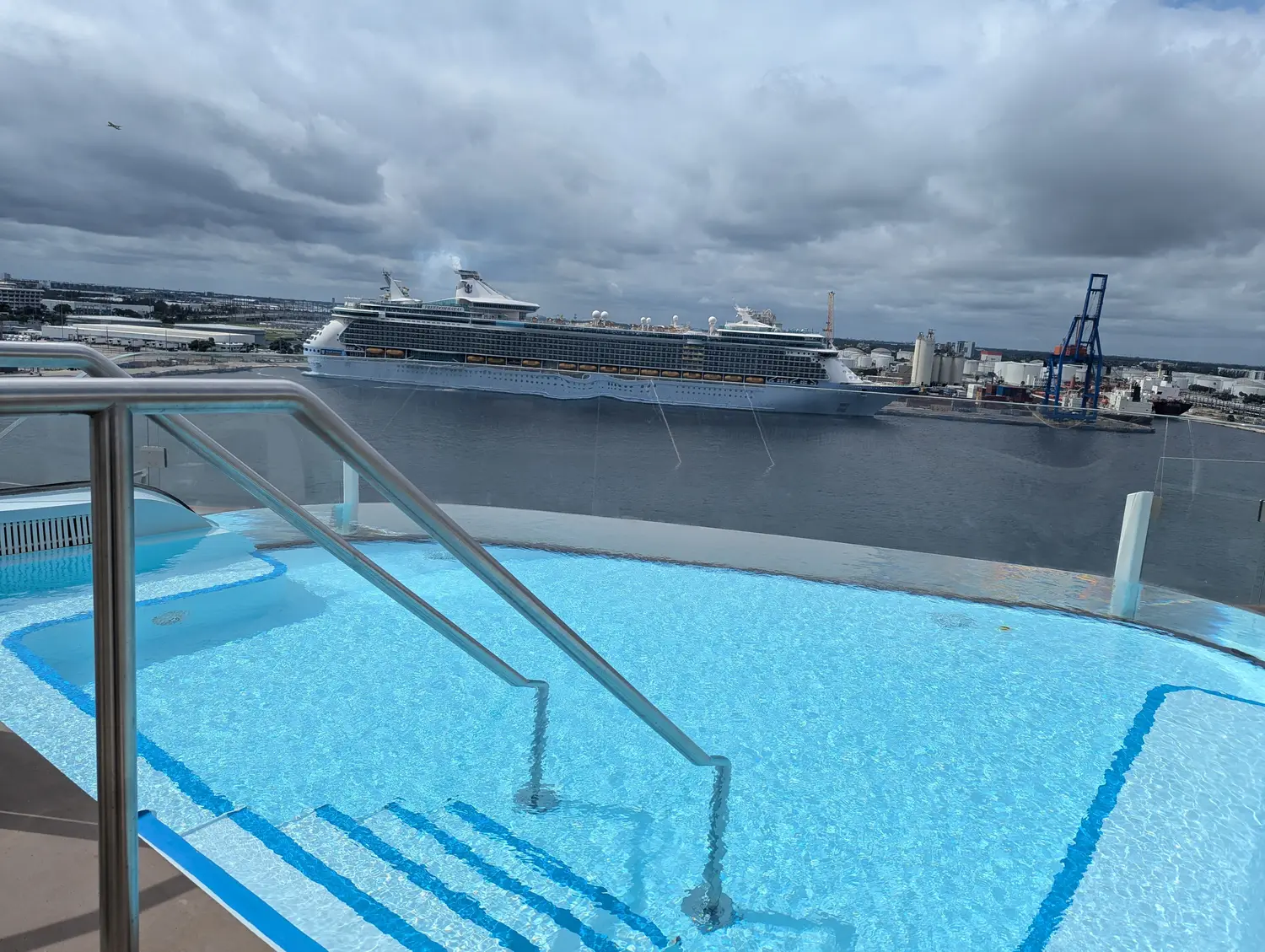
If you’ve ever noticed that every cruise line seems to be having a sale in January, you’re not imagining it. The industry calls it wave season. It runs roughly January through March, and it’s when the lines compete hardest for the year’s bookings with onboard credit, drink packages, prepaid gratuities, reduced deposits and the occasional free upgrade.
The catch is that a good offer is only useful if you know what you’d do with it. People who open the January emails cold spend three weeks comparing and often end up with a cabin they didn’t really want on a sailing that happened to be discounted. People who show up in January with the decisions already made book in an afternoon and get the good stuff.
So this is the fall homework. None of it commits you to anything.
Decide who’s going and how long you have
Start with the people, not the ship. A couple, a family with kids under ten, three generations, a group of friends. Each of those points at a different kind of ship, and the answer changes which offers are worth anything to you. A drink package means nothing to a family that doesn’t drink. Kids-sail-free means nothing to a couple.
Then the length. Three or four nights is a taste. Seven is the classic. Ten or more is where the itineraries get interesting and where the crowd on board gets noticeably calmer. Be honest about how many days you can actually take, because that number rules out more sailings than your budget does.
Driving to the ship or flying to it? Decide that next
This one matters more from here than almost anywhere else in the country. Galveston is a morning’s drive from Magnolia, The Woodlands and Conroe, and it sends ships to the western Caribbean and Mexico all winter. If that’s the trip you want, you skip the airport entirely and the wave season offers are the whole story.
If your heart is set on the Mediterranean, Alaska, the Greek islands or a river in Europe, you’re flying, and the air becomes part of the math. I wrote up what driving to Galveston actually gets you and when I’d tell you to fly instead. Read that first if you’re on the fence.
Decide what kind of cabin you’ll be happy in
Not the exact cabin. The category. Inside, ocean view, balcony or suite, and roughly where on the ship. This is the decision that wave season rewards most, because the promotions often come as a free or discounted upgrade from one category to the next, and you can only judge that if you already know what you’d have paid for.
The short version: on a port-heavy Caribbean week you may barely use a balcony, and the money goes further in a better category or a better itinerary. On Alaska or a river, the view is the trip. I’ve gone into which balcony is actually worth the upgrade if you want the long version.
Decide your real budget, not the fare
The number on the sale banner is the fare. What you’ll spend is the fare plus gratuities, drinks beyond the basics, specialty dining, wifi, shore excursions, parking or flights, and travel insurance. Two sailings with the same headline price can land hundreds of dollars apart once you add all of that up.
This is exactly why wave season is confusing. One line cuts the fare. Another keeps the fare and throws in a drink package. A third offers onboard credit you can spend on excursions. They’re all “sales,” and which one is actually cheaper for you depends entirely on how you cruise. If you know your total number and how you like to spend on board, I can tell you in ten minutes which offer is real for you and which is marketing.
Know your deposit rules before you need them
Most lines sell two kinds of fares: one with a refundable deposit and one with a nonrefundable deposit at a lower price. Wave season leans heavily on reduced deposits, which sounds great and usually is, but read which kind of fare it’s attached to. A cheap nonrefundable deposit on dates you’re not sure about is a bad trade.
Two other things worth knowing. Final payment on most sailings is due a few months before you sail, and that’s the real deadline, not the booking date. And on many lines, if the fare drops after you book and before final payment, I can ask for the lower price or the better perk. Not every line and not every fare type, but often enough that booking early and watching is a strategy, not a gamble.
Check the passports now
If anyone in the party has a passport expiring within six months of the return date, or a child who’s never had one, October is when to deal with it. Many countries want six months of validity past your travel dates, and passport processing takes weeks. The closed-loop cruises out of Galveston have looser paperwork rules, but “looser” is not “none,” and the rules are different once you fly to a ship. I confirm the entry requirements for every port before anyone in my care sails, because these change and I’d rather be sure than sorry.
What you’ll have in January
If you do the above, you’ll walk into wave season knowing who’s going, for how long, from which port, in what kind of cabin, at what total budget, with valid passports. That’s the whole list. With that in hand, the January offers stop being noise and start being a shopping list, and the sailing you want is still available because you’re booking in the first week of the promotion instead of the last.
There’s also a quieter reason to be early. Wave season is when a lot of people book the following year’s holidays, Alaska summers and new ships, and the cabins that go first are the mid-priced ones everyone actually wants. Being ready in January is how you get one.
If you’d rather talk it through than work through a list, tell me who’s going, how many days you can take, and whether the idea of driving to Galveston or flying somewhere farther sounds more like you, and I’ll have your shortlist ready before the first sale email hits your inbox.
Ready to plan the real thing?
No pressure, no hard sell. Just tell me where you're thinking and I'll take it from there.
Start a Trip Request