Rail is a premium trip, and it should be built like one
I want to be straightforward about where this sits. A good rail journey costs what a good Europe trip costs. You are buying a scarce seat on a route that only runs part of the year, and on the better trains you are buying a level of service that has more in common with a small ship than with a flight.
That is exactly why it is worth planning properly. The difference between a well-built rail trip and a poorly built one is not a few hundred dollars. It is whether the days either side of the train are as good as the train, and whether you spent your one clear-weather morning in the right seat.
Which direction you ride matters more than people expect
On most scenic routes one direction is better than the other, and it is rarely the one that fits your flights.
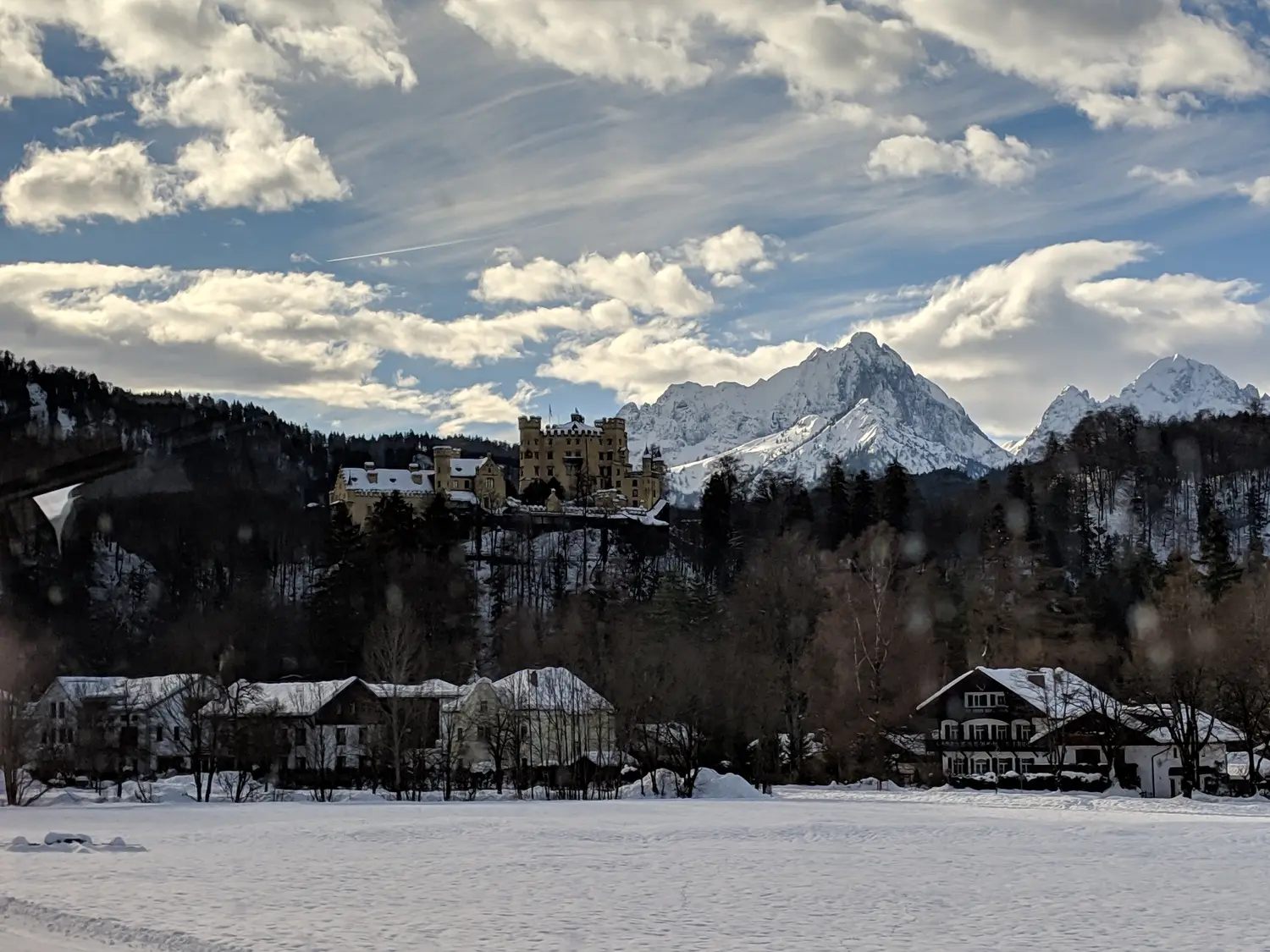
Westbound and eastbound put the light and the best scenery on different sides of the train at different hours. Some routes save their finest stretch for the second day, which changes where you want your hotel night. On others the celebrated section comes an hour after departure, and if you booked the return leg you watched it in the dark.
None of this appears on a booking page. It is the first thing I look at.
The season is short and the good dates go first
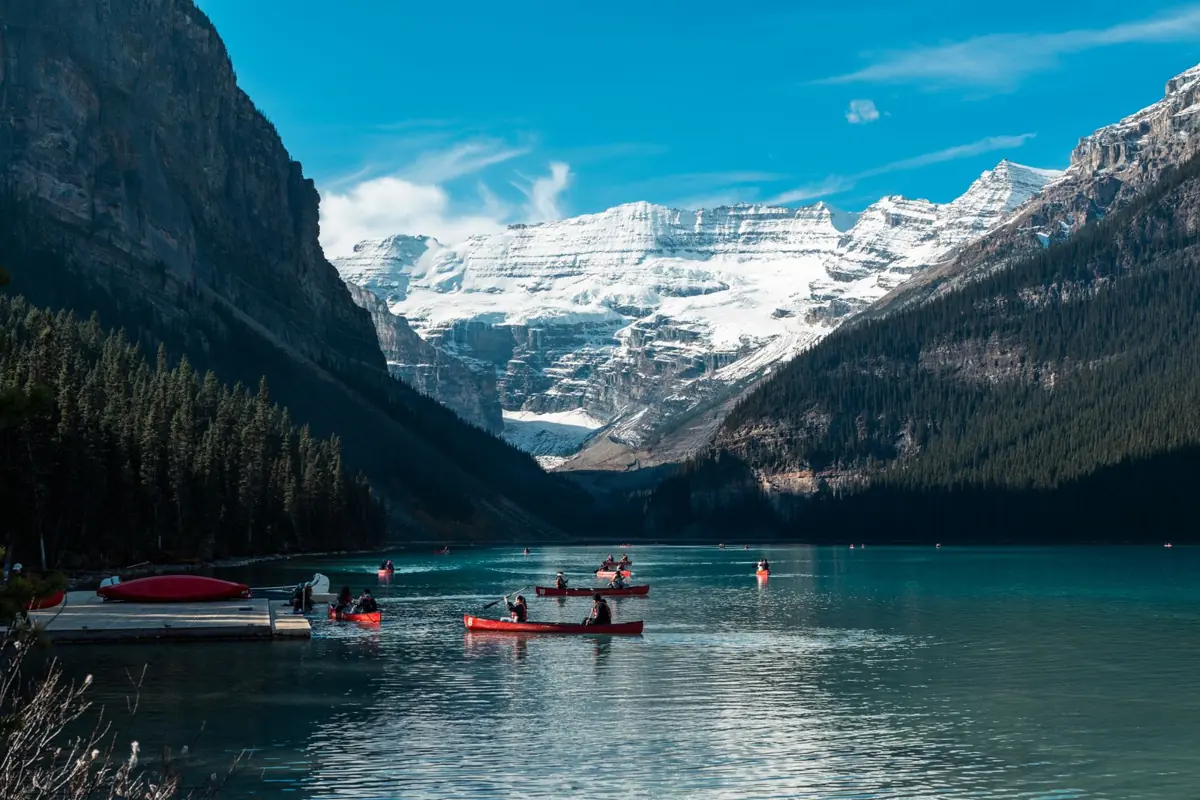
Rocky Mountaineer and the Alpine routes both run seasonally. Canada in particular has a narrow window, and the departures that sit in the reliable middle of it are the ones everybody wants.
A year ahead is normal here. That is not a sales line, it is the supply. A fixed number of coaches make a fixed number of runs, the tour operators hold blocks well in advance, and the last seats released are usually on the dates nobody chose for a reason.
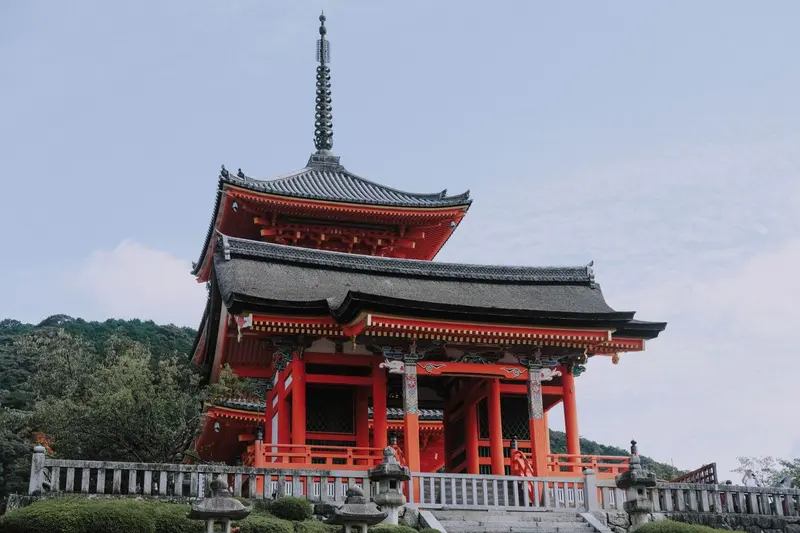
Japan is the exception. It runs year round and books much closer in, though the cherry blossom and fall color weeks behave like a season of their own and need the same lead time as Canada.
Where the train should stop and where it should not
The mistake I see most often is treating the rail leg as the whole trip.
A train that delivers you to Banff at six in the evening has given you a spectacular day and nothing else. What makes the trip is what you do on either end. Two or three nights in the mountains before you board, or a proper stay in Vancouver after, or in Europe a few days in a city the train happens to pass through anyway.
I build the rail leg first because it is the fixed point, then everything else moves around it.
Things that catch people out
The upper deck is not a small upgrade. On dome trains the difference between service levels is the ceiling, the meal service and, on some routes, access to an open-air platform. People who economize here tend to regret it, and it is the one place I will push back.
Luggage usually travels separately. On most of these journeys your bags go ahead to the hotel and you keep a day bag. That is convenient once you know it, and a problem if your medication is in the wrong case.
A rail pass is not automatically the cheaper option. Japan’s pricing changed significantly and the arithmetic no longer favors the pass for every itinerary. It depends on your route, and it is worth ten minutes of my time rather than a guess.
Weather does not owe you a view. Mountains make their own weather and a low cloud day happens. Multi-day routes hedge this naturally, which is one more argument for the longer itinerary over the single spectacular leg.
Book the trip, then the flights. Rail departures are far less flexible than air. Every year someone comes to me holding tickets that do not connect to any train running that week.