Groups built around something you love
The easiest groups to travel with are the ones that already share something. A quilting guild, a knitting circle, a choir, a pickleball league, a Bible study, a car club, a bunch of friends from the same graduating class. The trip gives them one more reason to be together, and the shared interest gives the trip a center.
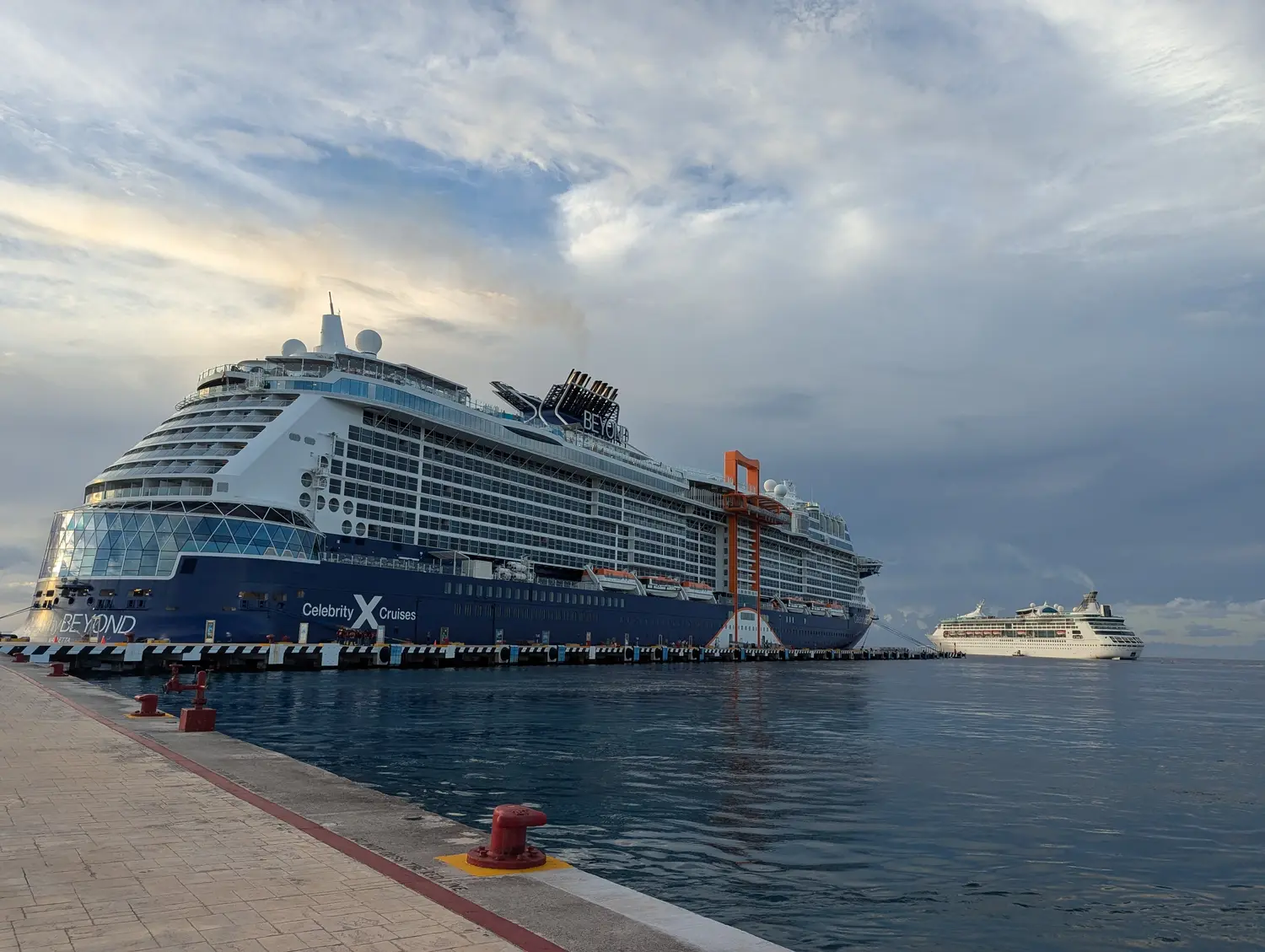
Quilting and knitting cruises. Sea days become workshop days. A group can reserve a space on board to stitch together, often with a teacher leading classes, and then go ashore together at each port. This is one of the nicest ways to take a hobby group away, because the ship does the hosting and everybody’s supplies travel with them to one cabin.
Church and faith groups. Church groups often want a trip with meaning: a river cruise through Europe’s old cathedral towns, a pilgrimage-style tour, or a relaxed cruise where the group can meet for devotions in the morning. River cruises and small ships work especially well here. The group stays together at a gentle pace, with a quiet space to gather. For groups that would rather not deal with passports, river cruising here at home is a strong choice.
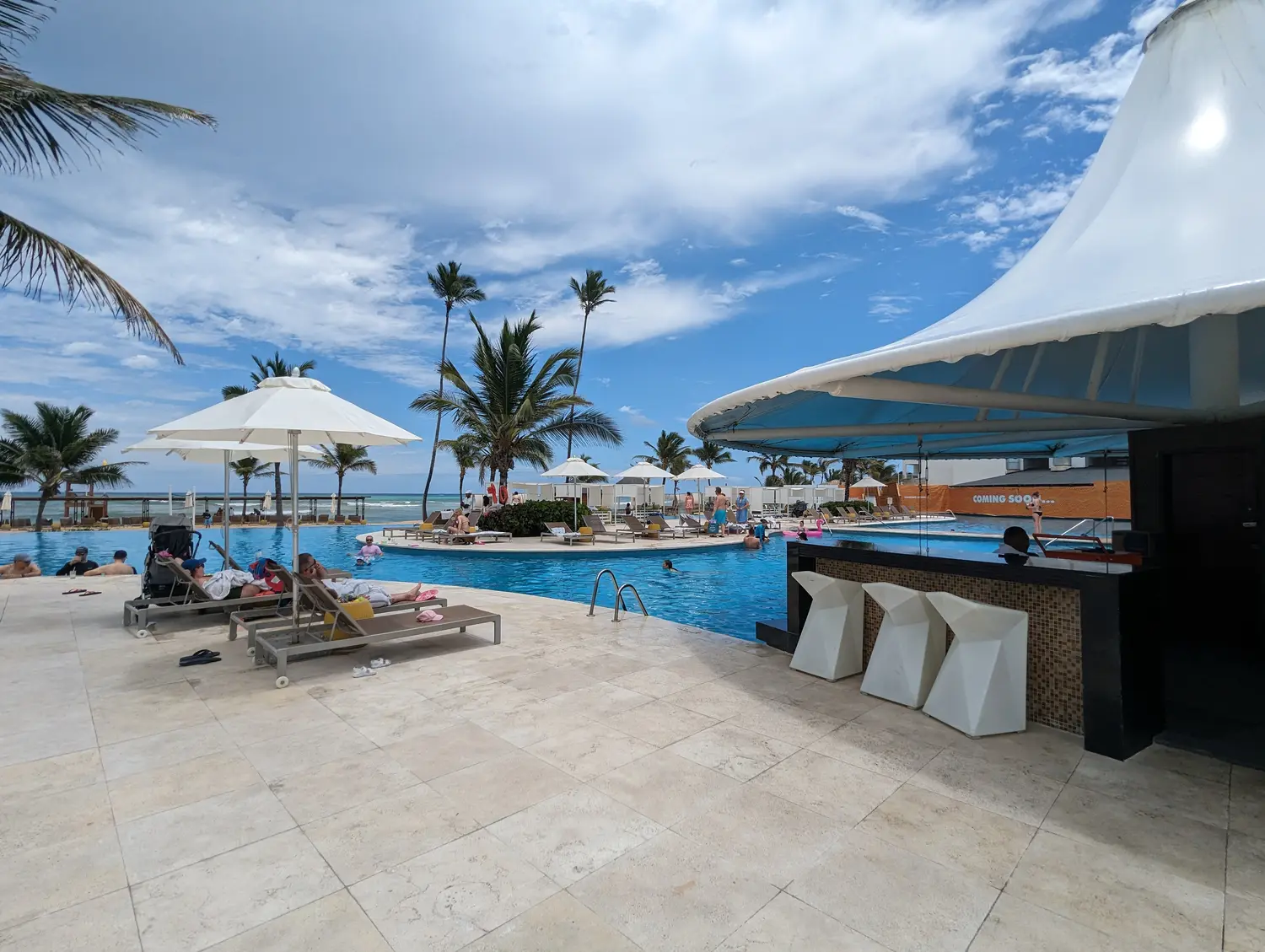
Pickleball and sports groups. Active groups want court time and some friendly competition, then a pool and a good dinner. Some resorts and ships have courts on site. For others, I look for court time and instruction nearby so the group can play every morning and still enjoy the trip.
Music groups. Choirs, bands and music-lovers travel well together. That might mean a trip built around a festival or a performance. Or it might be a river cruise through the towns that gave us the music in the first place.
Corporate incentive trips. An incentive trip is a reward, so it has to feel like one. I plan the destination, the room block, the welcome reception, the awards dinner and the free time, then give your office one point of contact. If your company wants to pair it with a meeting day, I build that in as well. There’s more on this in my guide to organizing a corporate group retreat.
How a group trip comes together
Every group is different, but the order of things doesn’t change much.
- A planning call with the organizer. Who’s likely to come, roughly how many, what kind of trip, when people can get away, and how much planning the organizer wants to take on themselves. Usually the answer is “as little as possible.”
- Choosing the trip. I put together a short list of ships, resorts or tours that fit the group and explain the trade-offs, so the organizer is choosing between good options instead of starting from nothing.
- Holding the space. Once we pick, I request group space: a block of cabins or rooms held under the group’s name. This is the step that protects the group. The space is set aside before the public books it, and it comes with its own set of dates and terms.
- Opening it up to the group. The organizer gets a simple invitation to share. Each traveler books their own cabin or room with me, and pays their own deposit.
- The in-between months. I track every booking and payment, send the reminders, collect names and passport details, and answer the same questions as many times as they get asked. The organizer hears from me with a clear update rather than a pile of emails.
- Before you go. Final documents, travel times, meet-up plans, and any group events: a welcome reception, a private dinner, a group excursion, or a reserved space on board for the hobby.
- While you’re traveling. If a flight is canceled or a room isn’t right, the traveler calls me, not the organizer.
What I handle, and what the organizer handles
The organizer’s job is the fun part: rally the people and be the name everyone recognizes on the invitation.
My job is everything behind it: requesting and managing the group space, reading the group contract, tracking deposits and deadlines, booking flights from wherever each traveler lives, arranging transfers, setting up group events, handling special requests for dietary needs or mobility, and being on call during the trip. Chasing money is usually the part an organizer dreads most. That part is mine.
Deposits and timelines, in general terms
Group bookings run on dates. The details change by supplier, ship and hotel, so I read your group’s terms before anyone commits, but the shape is usually like this:
- An initial deposit from each traveler to secure their spot, often due within a set window after the group space is held.
- A date to name every cabin or room. Space that doesn’t have a name on it by then may go back to the supplier.
- Release dates, when the group can hand back unused space without penalty.
- A final payment date, often a few months before departure for cruises, and it varies for resorts and tours.
- Cancellation penalties that get stricter as departure gets closer, which is why I talk every traveler through their travel insurance options.
For a large group, a cruise over a holiday or a popular season, start a year or more out. Smaller groups can often work in six to nine months. Those are starting points, not rules.
Where groups go
Some trips suit groups better than others.
Groups from anywhere in the U.S.
I plan group trips for travelers all over the country, not just close to home. Your group doesn’t need to live in one place or fly from one airport. I coordinate everyone’s travel so the group arrives together, and every traveler has my number from the first deposit to the ride home.
If you’re thinking about taking your people somewhere, tell me who’s in the group, roughly how many, and when everyone might be able to get away. I’ll come back with a few ideas and what planning it would look like.