Which California do you actually want
Ask this before anything else, because the state is roughly eight hundred miles long and the four classic trips barely overlap.
Wine country is a slow trip. Two or three tastings a day, long lunches, a driver, and a base you do not move from. Trying to add the coast and a park to it is how people end up spending the week in a car.
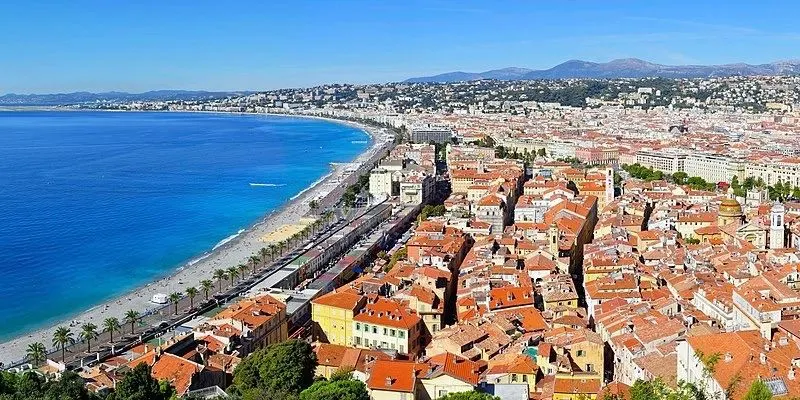
The coast road is a moving trip. You are driving, stopping, and driving again, with a different bed most nights.
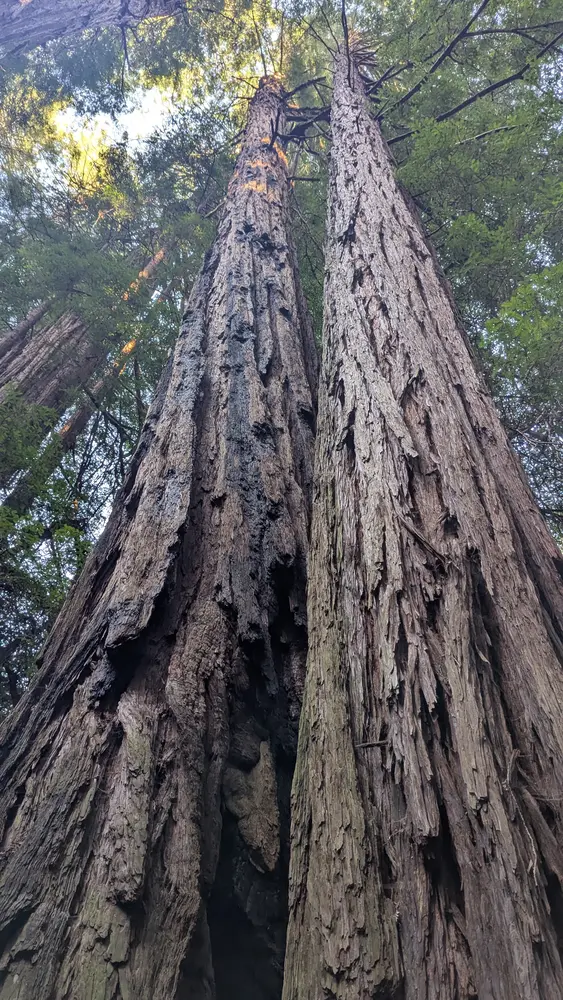
The parks are an early-mornings trip. Sunrise starts, big days outside, and lodging booked long in advance.
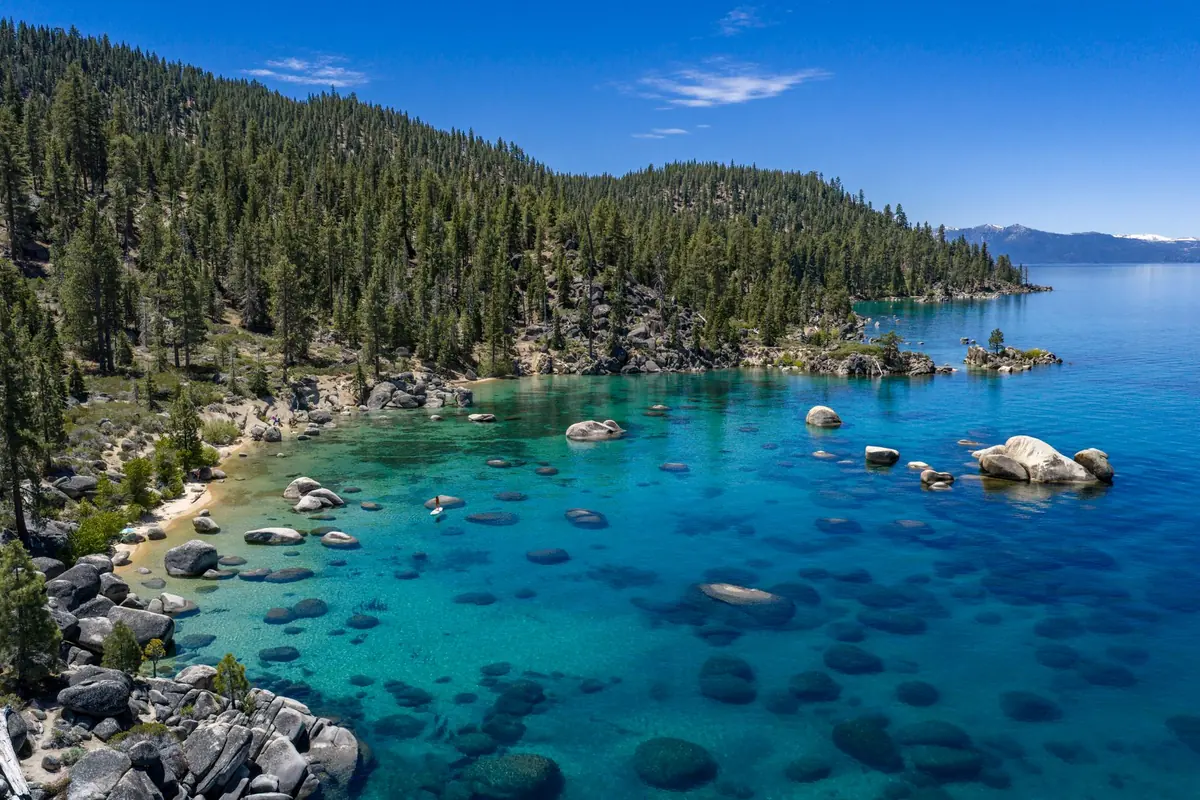
Lake Tahoe is its own trip and it changes completely with the season. Water and long evenings in summer, snow and lodges in winter. It pairs well with wine country and badly with everything else, because it sits in the mountains a long way from the coast.
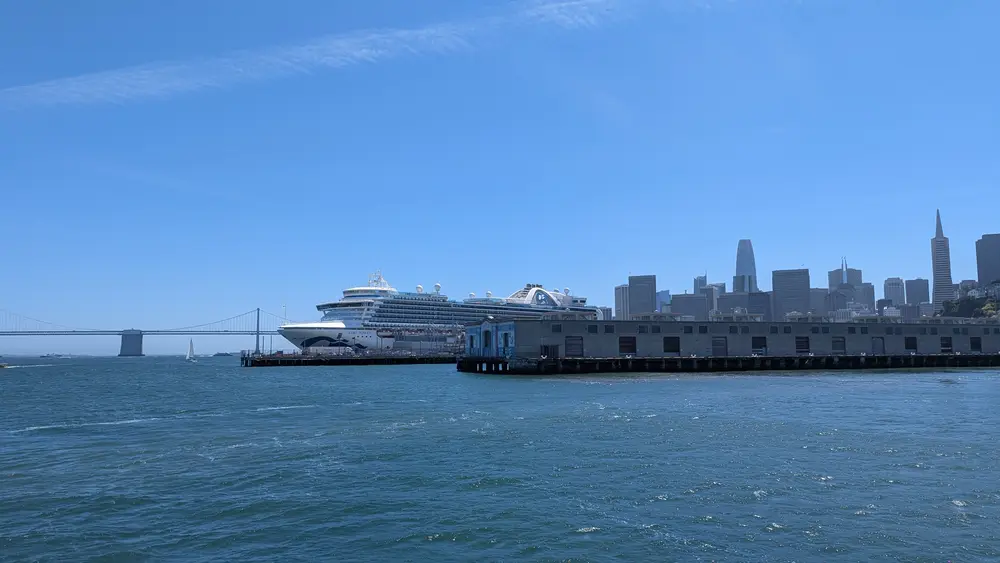
The cities are their own trip, and the three of them are not a circuit. San Francisco to Los Angeles is a flight or a long day of driving, not an afternoon.
Pick one as the spine and add at most one other. The classic pairing that genuinely works is San Francisco plus wine country, because they are an hour apart.
Wine country, planned properly
Most quality tasting rooms in Napa and Sonoma now require appointments, and the small producers worth traveling for often open only a few slots a day. Booking a week out gets you what is left. Booking a month or more out gets you the ones you actually read about.
Two or three tastings a day is the ceiling. Pours are generous, the driving between them is real, and the fourth stop is rarely remembered by anybody.
Hire the driver. It costs less than people expect, it removes the only genuinely dangerous part of the day, and it means both of you get to taste.
Harvest, roughly late August into October, is the most atmospheric time and the busiest and priciest. Spring is green, quiet and much easier to book. Winter is the local secret, with real conversations in half-empty tasting rooms.
If wine is the reason for the trip rather than a part of it, that is a conversation worth having, and it is one I particularly enjoy.
The distances people get wrong
The map lies about California. A few honest numbers save entire days:
San Francisco to Napa is about an hour and a half, which is why that pairing works so well. San Francisco to Yosemite Valley is four hours in good conditions and considerably more in summer traffic. San Francisco to Los Angeles is six hours direct on the interstate, or two full days if you take the coast road, which you should. Los Angeles to San Diego is two hours, or three at the wrong time of day.
Nobody plans a trip around traffic and everybody should. An itinerary that ignores it turns into a week of arriving late and eating badly.
When to go, and the fog nobody warns you about
Spring, roughly April into June, is green, uncrowded and reasonably priced. Fall, September and October, is warm, golden and the best all-round weather in the state.
Summer is the surprising one. San Francisco in July is often cold, gray and windy while inland is baking, and visitors who packed for California in general are cold for a week. The parks are at their busiest and hottest, and the coast can be fogged in until early afternoon.
Winter is quiet and good value, with real rain on the coast and snow closing the high park roads.
Practical things worth knowing
Park entry reservations are released on a schedule and vanish quickly. Yosemite in particular has run timed-entry systems in peak months. This is the single most common reason a California trip has to be rebuilt.
A rental car is essential everywhere except central San Francisco, where it is an expensive parking problem.
Layers, always. The temperature swing between a coastal morning and an inland afternoon is larger than almost anywhere else people vacation.