Barely any jet lag, and nobody mentions it
Most of the continent sits within an hour or two of Texas time. You fly overnight, land in the morning, and you are functional that same day. Compare that to Europe, where the first day is usually a write-off, or Asia, where it can be three. For a trip this far from home, that is a genuine advantage almost nobody mentions.
The flights are long, but many of them are red-eyes that use up a night you were going to sleep through anyway.
Seasons are flipped, and it changes everything
Their summer is our winter. That single fact drives most of the planning.
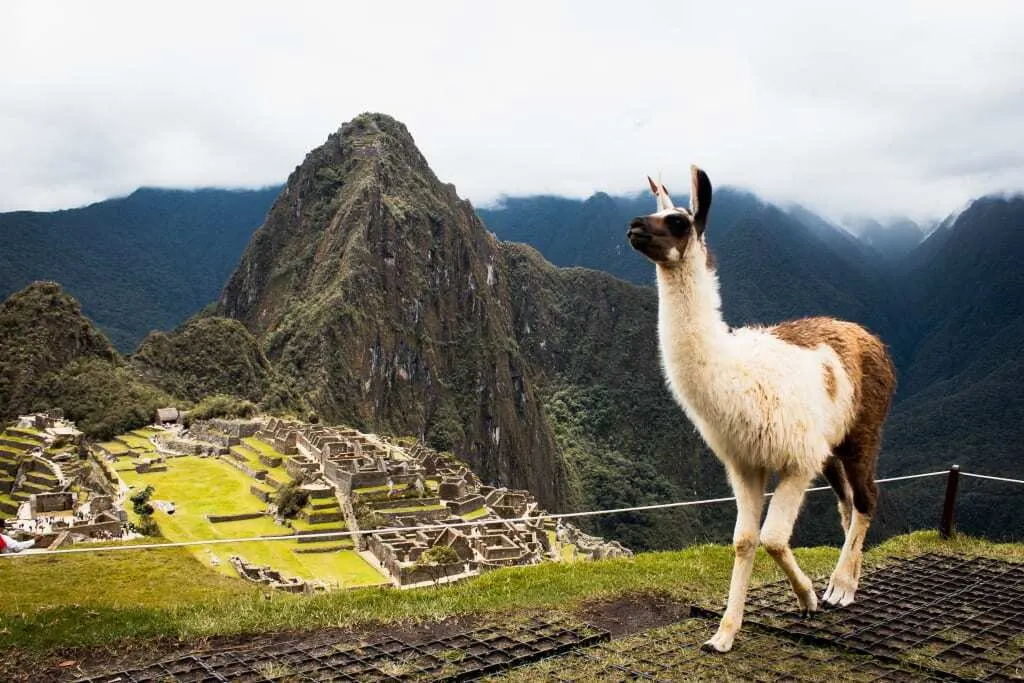
Peru. May through September is the dry season and the right window for Machu Picchu and the Sacred Valley. It is also when everyone else goes, so permits and the good hotels move early. The Inca Trail closes every February for maintenance, which surprises people who have already booked flights.
Patagonia. November through March, and that is not flexible. Outside that window a lot of it simply closes. The wind down there is not a rumor, and packing for it properly is half the battle.
The Galápagos. Year-round, genuinely. The wildlife is not seasonal and it does not run from you. What changes is water temperature and seas, which matters more for snorkeling than for viewing.
Amazon. High water and low water seasons give you two different trips. High water means exploring flooded forest by boat and getting deeper in. Low water means more walking, more beaches, better fishing. Neither is the good one.
Machu Picchu, planned properly
Two things trip people up here, and both are fixable months ahead.
Altitude. Cusco sits at about 11,000 feet, which is significantly higher than Machu Picchu itself. Flying straight into Cusco and going hard on day one is how people spend their first two days feeling awful. Starting lower in the Sacred Valley and working up is the fix, and it costs nothing but sequencing.
Tickets and permits. Entry runs on timed slots and set routes now, and Inca Trail permits are capped and sell out many months ahead. Deciding in March that you want to hike in June usually means you are not hiking.
How much continent to attempt
Peru and the Galápagos is a classic two-week trip and it works. Peru, Patagonia and Brazil in two weeks does not, no matter how the map looks. The internal distances here are closer to crossing an ocean than crossing a state.
Pick a region and go deep. Argentina and Chile pair naturally, as do Peru and Ecuador. Brazil is big enough to be its own trip, and Iguazú Falls is worth building a route around rather than squeezing in.
Practical things worth knowing early
Some countries ask for proof of a yellow fever vaccination depending on where you have been and where you are going. That is a conversation with your doctor and a card you need to physically carry, and it is not something to discover at check-in.
Passport validity and entry rules vary more here than they do in Europe, and a couple of countries have changed requirements for Americans in recent years. I keep track of the current position so it is settled long before you fly.
Domestic flights matter. Getting between regions almost always means an internal flight, and the schedules are thinner than in the US. A route built around those flights works. A route that ignores them turns into long overnight bus rides you did not sign up for.