The season is short, and the months are not the same
Antarctic voyages run from about November to March. That’s the whole window, and every ship that goes is fitting its season into it.
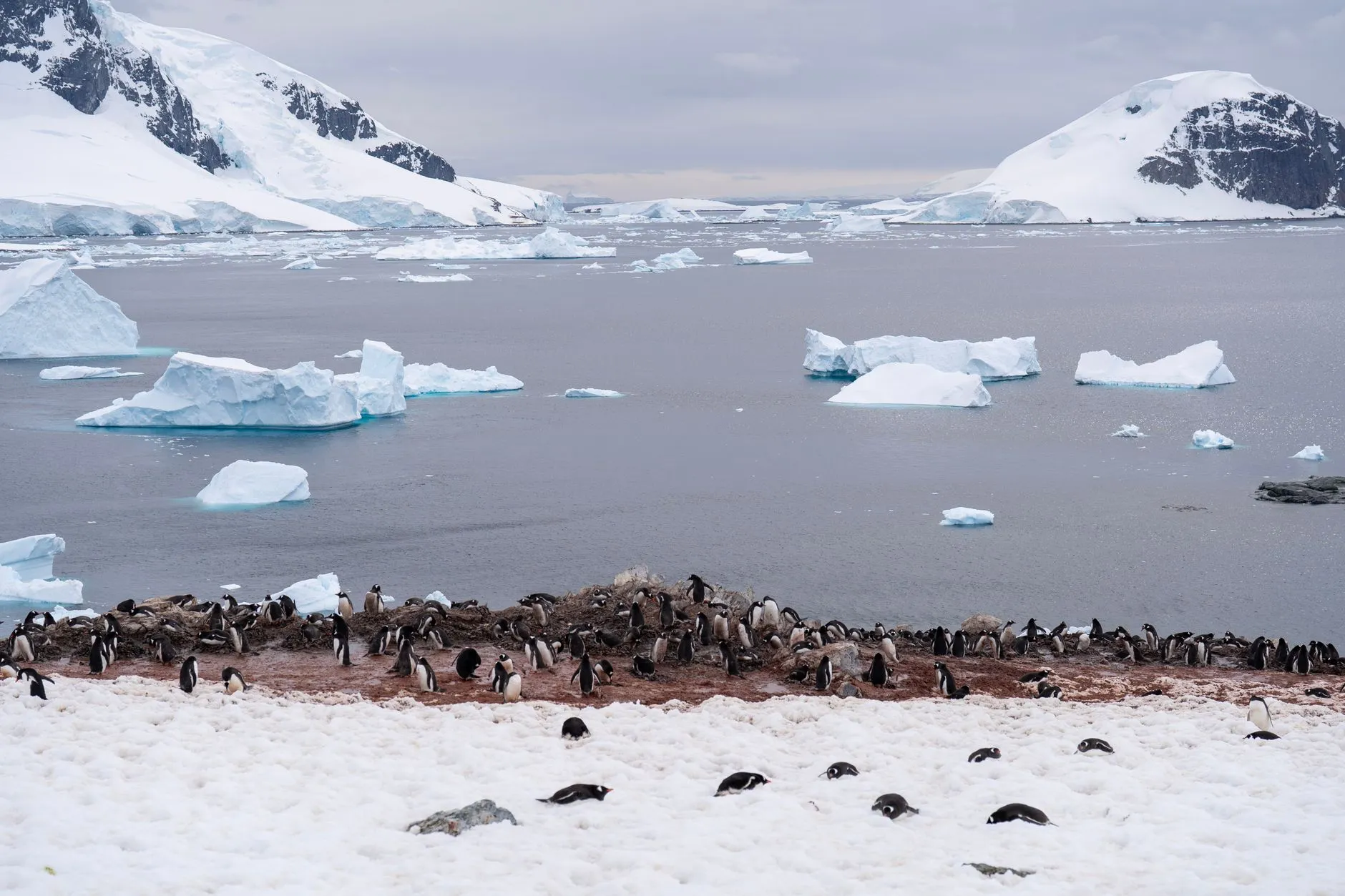
November is early season. The snow is fresh and clean, the sea ice is still breaking up, and penguins are courting and building nests.
December and January are the height of summer. The days are longest, and penguin chicks hatch in the colonies.
February and March bring older chicks, fewer ships, and the best chances to see whales feeding.
There is no bad month. There is a best month for what you want to see, and it’s worth deciding that before choosing a ship.
Getting to the bottom of the world
Most voyages start in Ushuaia, Argentina. Getting there usually means flying into Buenos Aires, then taking a domestic flight south. Many of those domestic flights leave from a different airport across town from the one where international flights land, and that’s the sort of detail I plan around.
I always build in a night in Ushuaia before the ship sails. The ship won’t wait for a delayed flight, and that spare night is what protects a trip you’ve been planning for a year.
What it actually feels like
It’s cold, but not the cold most people picture. On the Antarctic Peninsula in summer, temperatures sit around freezing, often in the 20s to mid-30s Fahrenheit. The wind and spray make it feel colder on the boats.
Getting ashore means a small inflatable boat, a wet step onto rock or snow, and waterproof boots. Many lines provide a parka and lend you boots; I’ll confirm what yours includes so you pack the right things and nothing more.
Before every landing, boots are scrubbed and outer gear is checked for seeds and soil. It’s part of how Antarctica stays the way it is, and the expedition staff walk you through it.
The mistakes that cost people the trip
Choosing on price before ship size. A cheaper fare on a big ship can mean no landings at all.
Flying in the day the ship leaves. One delay and you’re watching it sail from the airport.
Assuming the extras can be added later. Kayaking and camping spots are few and they go early.
Packing for cold and forgetting wet. Waterproof layers matter more than the heaviest coat you own.
Waiting until next year to decide. By the time most people are sure, the cabins they wanted are already gone.