Which island, and please do not try to do four
This is the decision the whole trip turns on, and the usual mistake is treating Hawaii like one place. Each island is a separate flight, a separate rental car, a separate hotel check-in, and a half day gone each time you move.
Oahu if it is your first time and you want a bit of everything. Waikiki, Pearl Harbor, the North Shore, real restaurants and nightlife, and the easiest logistics because everything else connects through Honolulu.
Maui if you want the classic Hawaii postcard. Resorts, beaches, the road to Hana, whales in season. It is the most popular island with visitors and it prices accordingly.
Kauai if you want green and quiet. The Napali coast, canyons, waterfalls, and far less development. Bring a sense of adventure and rain gear.
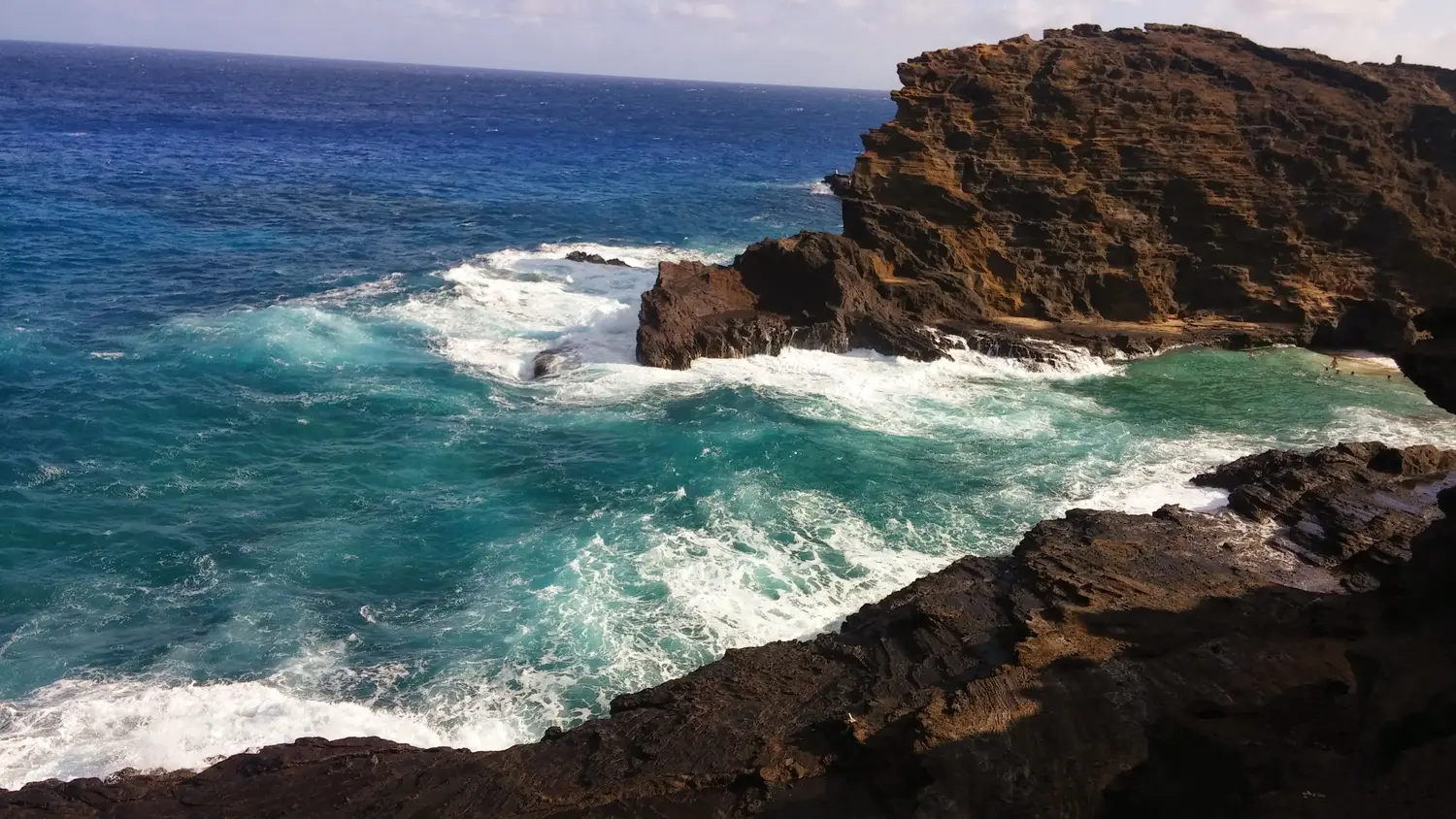
The Big Island if you want strange and dramatic. Active volcano, black sand, snow at the summit and lava fields that look like another planet. It is the largest by a distance, so the driving is real.
Two islands in ten nights is comfortable. Three is possible in two weeks if you accept losing a day to each move. Four is a travel itinerary, not a vacation.
When to go
Hawaii is good year round, which is why nobody warns you about the pricing. The expensive weeks are mid-December through early January, spring break and most of the summer. The value windows are late April into early June, and September into early December.
Whale season runs roughly December through April and it is genuinely worth planning around if that matters to you. Surf on the north shores is huge in winter and calm in summer, which flips which beaches are swimmable depending on when you come. I go through what a winter trip is actually like, and which side of each island to stay on, in Hawaii in winter.
The things that catch first-timers
Jet lag going home is the bad direction. Flying west is easy. Coming back east from Hawaii is a long night and a rough Monday. Do not schedule anything important the day after you land.
Resort fees and parking are real money. Many resorts add a daily fee plus paid parking on top of the room rate, and it is not always obvious at booking. I price the actual total so you are comparing like with like.
A rental car is essential on most islands and a nuisance on Oahu. In Waikiki you will pay to park a car you barely use. Elsewhere you cannot see anything without one.
Sunrise at Haleakala requires a reservation booked ahead, and people find that out the night before. Same story for Pearl Harbor tickets and the popular Napali boat trips in season.
Book flights before hotels. Hawaii flights from Texas are the constraint, not the rooms, and the good fares set the shape of the whole trip.
Which island for which traveler
The island guide above works from the islands. This one starts with the people going.
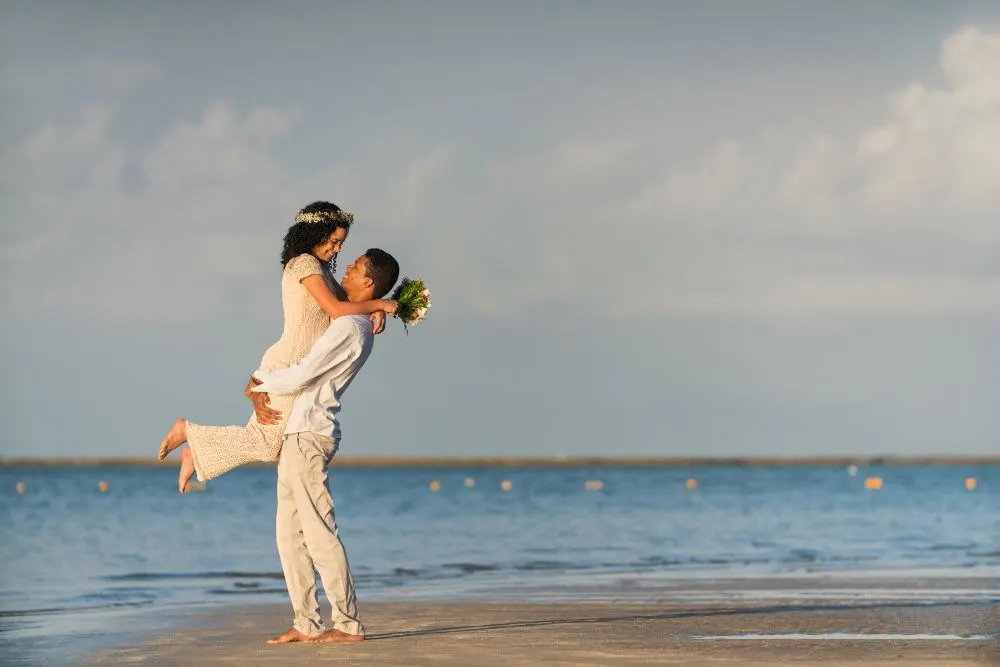
Honeymooners and couples. Maui for the classic resort trip, or Kauai for something quieter and greener. Pair one with a few nights on a second island if you want both. For more on planning the trip itself, see my honeymoons page.
Families with young kids. Oahu or Maui. Calm lagoons on the leeward sides and short drives. There’s plenty to do on a rainy afternoon, too. Avoid hopping islands with little ones unless the trip is long.
Multi-generational groups. A resort or a set of condos on one island, usually Maui or the Kona side of the Big Island, so the grandparents can settle in while the younger crowd heads out. Book connecting rooms early.
Adventurers and hikers. Kauai for the trails and the Napali coast, or the Big Island for the volcanoes and the lava fields. Both reward people who don’t mind getting muddy.
People who don’t want to drive. Oahu. Waikiki is walkable, and tours pick up at the hotel. On every other island, you’ll want a car.
Returning visitors. Try the island you skipped last time, or a quieter corner of the one you loved. Lanai and Molokai are small, slow and very different from the big resorts, and they suit travelers who have already done the highlights.
Getting between the islands
Every move between islands is a short flight, and there’s no passenger ferry linking the main islands. The flight itself is quick. Checking out, returning the car, the airport, and then picking up another car at the other end are what fill the half day.
A few things make it easier:
- Fly into one island and home from another. From many mainland airports you can fly straight to Maui, Kauai or the Big Island as well as Honolulu, so you don’t have to double back through Oahu.
- Move in the morning. You arrive with the afternoon to settle in, rather than checking into a new hotel after dark.
- One rental car per island. You return it before you fly and pick up a new one on arrival. I book them together so the timing lines up.
- Pack for the smaller planes. Inter-island flights have their own baggage rules. Lighter bags make the hops easier.
Seasons, island by island
Hawaii’s weather depends more on which side of the island you’re on than on the month. The windward sides, facing north and east, catch the trade winds and the rain, which is why they’re so green. The leeward sides, facing south and west, are drier and sunnier. Most of the big resort areas sit on the dry side for that reason.
Winter, roughly November through March, is the wetter half of the year. Big surf rolls into the north shores, and humpback whales arrive. Kauai’s north shore can be rainy for days at a time.
Summer, roughly April through October, is drier and the north shore oceans calm down, so beaches that are dangerous in winter become swimmable. It’s also busier and pricier, especially when school is out.
The Big Island is its own case. It has so many climate zones that you can go from a beach to a chilly volcano summit in the same day, so pack layers whatever the month.
Before you go
Some popular spots now need reservations. A number of popular parks and trails limit daily visitors and ask out-of-state guests to book ahead. I check what your itinerary needs and book the slots with the rest of the trip.
Bring reef-safe sunscreen. Hawaii restricts the sale of sunscreens with certain chemicals that harm the coral. Buy a mineral one before you go.
Be a good guest. Respect closed trails and private land, give sea turtles and monk seals their space, and remember that places tourists see as scenery are home to the people who live there.
Hawaii with a group
Family reunions and milestone birthdays work well in Hawaii, especially on one island with a resort or a cluster of condos as a home base. My group travel page explains how I plan those trips, from holding a block of rooms to getting everyone there from different cities.