River cruise or land trip? This is the question I get most
They are genuinely different vacations and neither one is the upgrade.
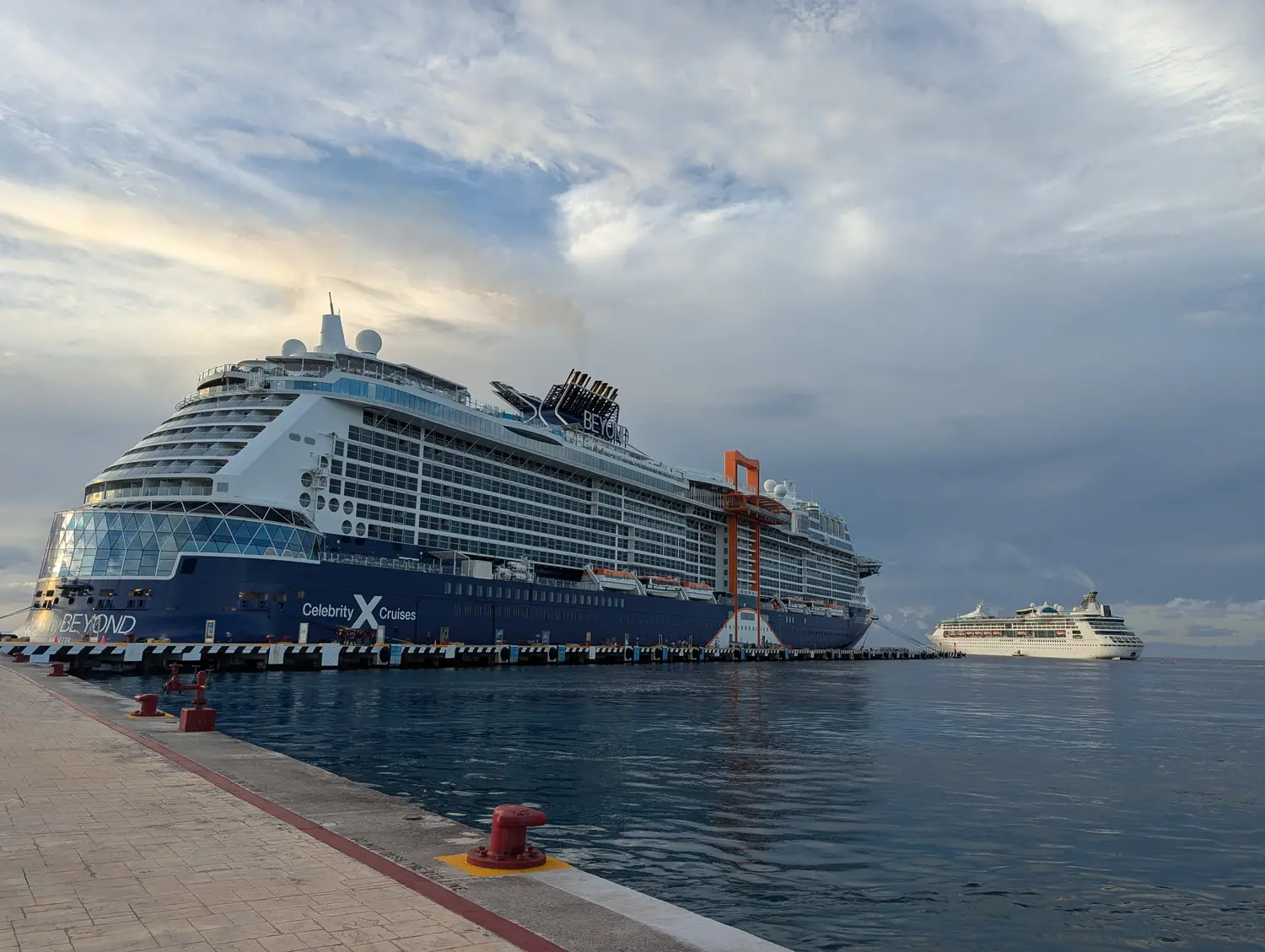
A river cruise unpacks you once. You wake up somewhere new most mornings, usually docked in the middle of town rather than at a port miles out, and the walking tour starts a few steps from the gangway. Days have a rhythm to them. Everything is included, the ship is small enough that the crew learns your name by the second day, and nobody is dragging a suitcase up a staircase in a four-hundred-year-old building. It suits people who want to see a lot without organizing a lot, and it suits multi-generational groups where everyone’s stamina is different.
A land trip gives you time. Three nights in Rome instead of eight hours. You choose the neighborhoods, you can change your mind at breakfast, and you can spend a whole afternoon in a town nobody else in your group has heard of. It asks more of you, and it gives more back if that is the trade you want.
The honest test I use with people: do you want to see Europe or do you want to sit in it? Both are good answers. First-timers with a long list usually do better on the river. People coming back for the second or third time usually want the land trip.
You can also do both, and it is my favorite way to build a first Europe trip. A week on the Danube or the Rhine to cover ground, then three or four nights in one city on the end at your own pace.
Which country first
Italy if you want the biggest first bite. Rome, Florence and the Amalfi coast in one trip is a lot of trip, and it is popular for a reason.
France if food and pace matter more than the checklist. Paris plus one region, usually Provence or the Loire, beats Paris plus three cities.
Ireland or Scotland if you want it easier. Everything in English, driving is manageable once you adjust, and the distances between good things are short.
Greece or Croatia if the point is the water. These are trips built around islands and coastline, and they run on ferry and sailing schedules more than on trains.
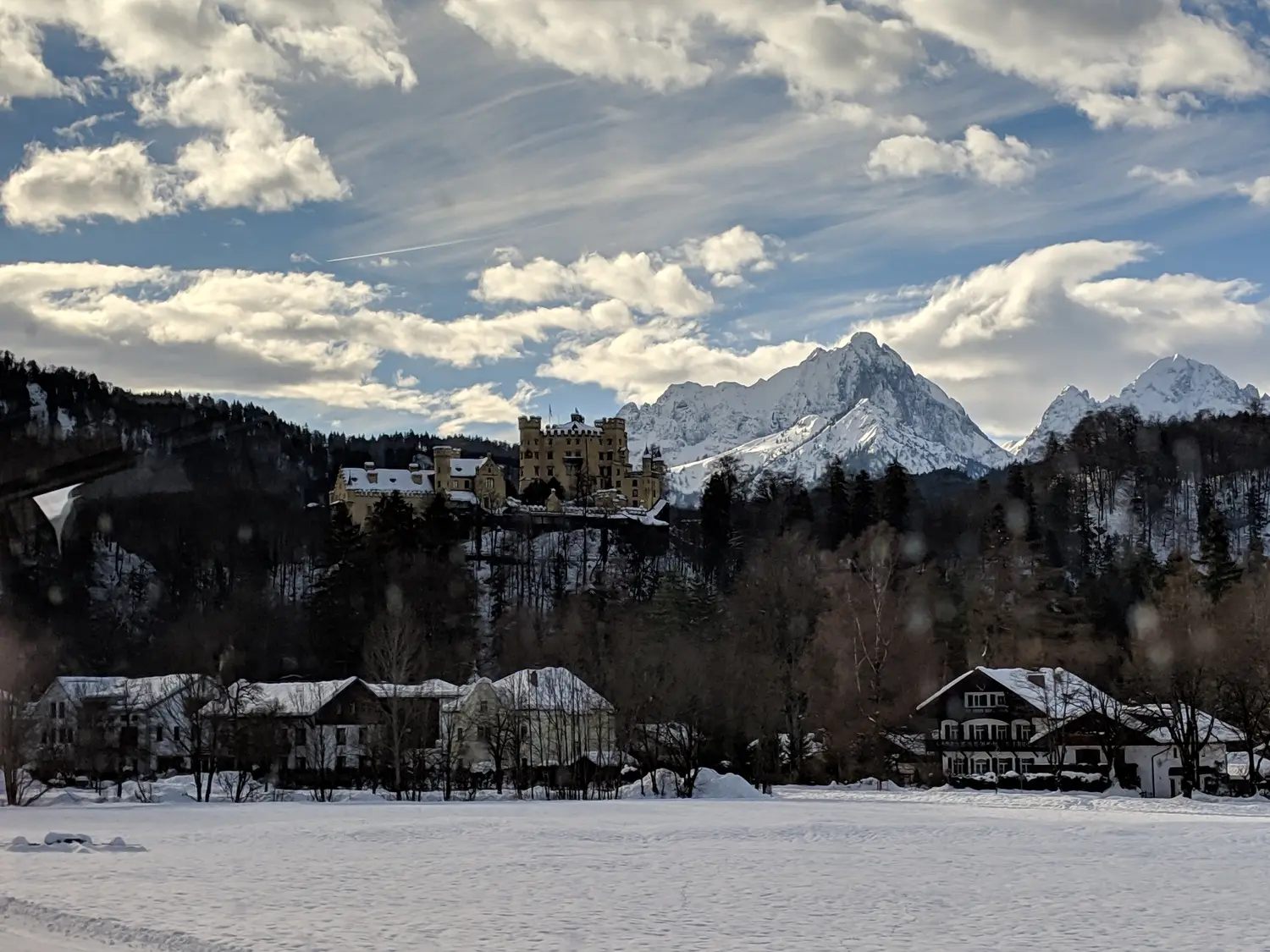
Germany, Austria and the Danube if you want the classic river route, the Christmas markets, or castles that look invented.
When to go
Late April through early June, and September into October. Those are the shoulder seasons and they are where the value is: kinder weather, shorter lines, and prices that are not August prices.
August is the month to think twice about. It is the hottest, the most crowded, and a good deal of Italy and France partly closes down while locals take their own holidays. Around the middle of the month you will find shuttered restaurants and shop grilles down in places you traveled a long way to see.
Christmas market season runs late November into December and it is a completely different trip. Cold, dark early, and genuinely magical. River cruises for it sell out further ahead than anything else I book.
How many cities in a week
Two. Three if one of them is a day trip you do not sleep in.
Every city costs you most of a day in transit and re-orientation, and people plan trips as if it were free. Four cities in seven nights sounds efficient on paper and reads, in the photographs, as a lot of train stations. The trips people talk about years later are almost always the ones with fewer stops and longer stays.
Getting around
Between major cities, the fast trains generally beat flying once you count the trip to the airport, the security line, and the trip back from the airport at the other end. City center to city center, with your own legroom and a window worth looking out of. Some routes need seat reservations well in advance and some do not, which is the kind of detail worth getting right before you arrive.
Rent a car for the countryside and not for the cities. Tuscany, Provence and the Scottish Highlands are made for driving. Historic city centers are the opposite, and Italy in particular has restricted zones with cameras that send fines to your house months later, long after you have forgotten which archway you drove through.
What catches people out
Entry requirements are changing. The EU has been rolling out a new online travel authorization for visitors who do not need a visa, Americans included, and the start date has moved more than once. That is exactly the kind of thing I track so you are not reading about it the week before you fly.
Passport validity. Many countries want at least three to six months of validity beyond your return date, and a passport that expires in the fall is a problem for a summer trip. Check it now, not in May.
The good rooms and the good sailings go early. River cruises and the small, characterful hotels are the two things where booking a year out is normal rather than excessive. Waiting rarely saves money on either.
Sunday. In much of Europe things close, and a Sunday spent in the wrong town is a slow day. Worth planning around rather than discovering.