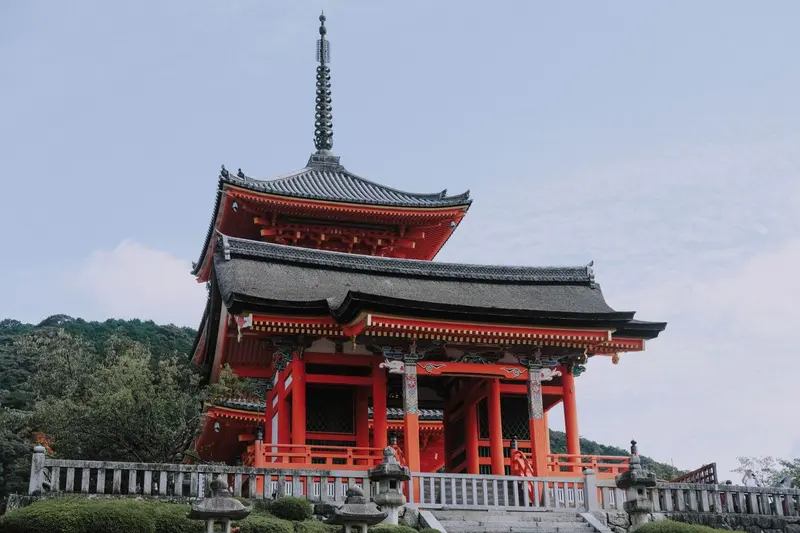
Asia is not one trip, and picking the wrong one is the usual mistake
Japan in cherry blossom season and Vietnam in the dry season are both wonderful and they have almost nothing in common. Different pace, different budget, different kind of tired when you finally sit down. The first thing worth settling is which Asia you actually want.
If you want order, trains that leave to the second, and a culture you can read from a hotel window, that is Japan. If you want markets, motorbikes, food you will talk about for years, and a lower daily cost, that is Southeast Asia. If you want scale and history that stops you in your tracks, that is India. People who try to blend all three in one trip come home worn out.
Timing, country by country
Japan. Late March into early April for the blossoms, November for the autumn color. Both are gorgeous and both are peak, which means booking early and paying for it. Golden Week in late April is when the whole country travels at once. I either work around it or book it a long way out.
Vietnam. The country is over a thousand miles long, so there is no single Vietnam weather. The north and the south can be in opposite conditions on the same day, and a route that ignores that is how people end up in rain for a week.
Thailand and Cambodia. Roughly November through March is the comfortable window. Shoulder months are cheaper, quieter, and hotter than most people expect.
Bali. April through October for dry, with the trade-off that everyone else knows it too.
India. October through March for most of the north, including the Golden Triangle. Summer there is not a shoulder season, it is a different climate entirely.
What actually makes the difference
A good private guide is the single biggest upgrade on an Asia trip, and it is not about luxury. It is about the temple you would have walked past, the restaurant with no English sign, and someone handling the ticket line while you look at the thing you came to see. In Japan and Vietnam especially, a half day with the right guide changes the whole week.
Private transfers are the other one. After a fourteen-hour flight, the difference between someone holding a sign and a taxi negotiation at midnight sets the tone for the entire trip.
Pace, honestly
Build in a buffer day at the start. Jet lag going west is real, and the first morning is usually a write-off no matter how determined you are. Two nights minimum in any city worth stopping in, three if it is a major one. A trip that moves every single day looks efficient on paper and reads as a blur in the photos.
Two weeks is a comfortable first trip. Ten days works if you keep it to one country and resist the urge to add.
The things people wish they had known
Cash still matters in places you would not expect, and card acceptance varies wildly between countries and between a city and a village in the same country.
Entry requirements change. Several countries in the region have moved to online applications with real processing times, and a few have changed the rules more than once in recent years. That is the sort of thing I track so it does not become a problem at the airport.
Internal flights are cheap and the luggage rules are not. Budget carriers across the region enforce weight limits strictly, and the fee at the gate is designed to hurt.
Shoes come off more than you expect. Temples, homes, some restaurants. It sounds trivial until day four in boots that take five minutes to lace.
Still deciding?
Asia is often weighed against Europe, and the split is usually about effort. Europe is easier on a first international trip and cheaper to reach. Asia costs more to get to and gives back more of a jolt when you arrive.
If the long flight is the thing putting you off, Australia and New Zealand are further still but easier once you land, and South America is the long-haul trip with almost no jet lag at all.