
South America · November 9, 2026 · 5 min read
Machu Picchu: tickets, the dry season, and the order that makes the altitude easier
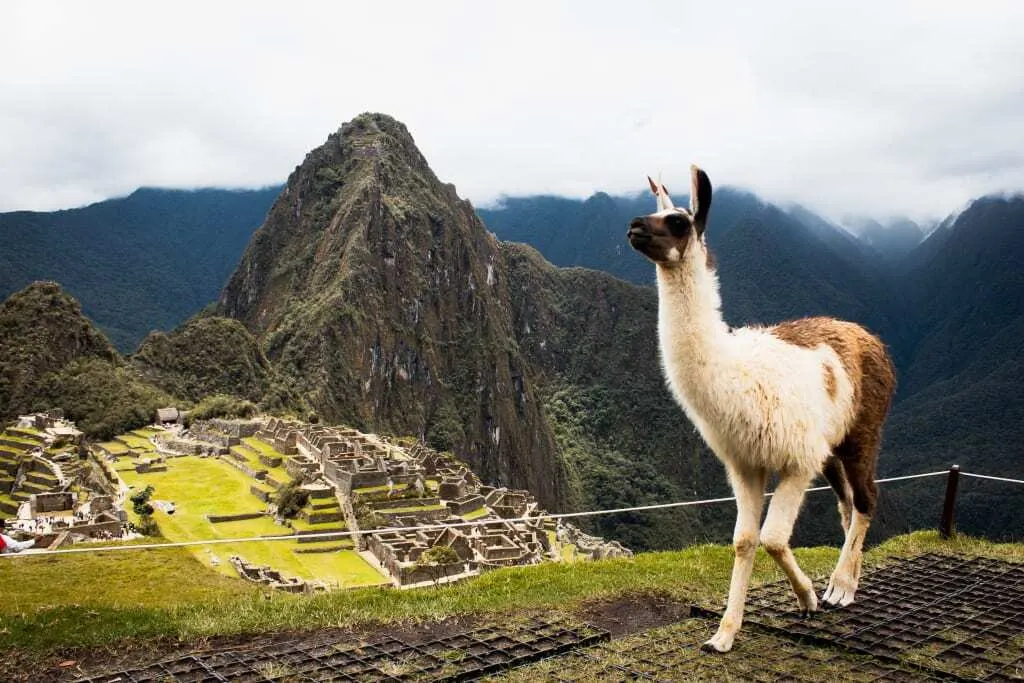
Most people picture Machu Picchu as the whole trip. In practice it’s one day, sometimes one morning, and everything around it decides whether that day goes the way you hoped.
The pieces that matter most are the ones people find out about late: entry is limited and timed, the trail permits go fast, and the altitude in Cusco catches visitors off guard.
My South America page covers the bigger picture, including how Peru fits with the rest of the continent. This is the next step, once Machu Picchu is on the calendar.
When to go
Peru’s highlands have a dry season and a wet season, and that fact shapes everything.
May through September is the dry season, with clear mornings and the best odds of seeing the ruins without a cloud sitting on them. It’s also when most visitors come, so it’s when tickets and trains are hardest to get.
April and October are the shoulder months. You trade a bit more chance of rain for fewer people, and they suit travelers who can be flexible.
November through March is the wet season. Afternoon rain is common, and the classic Inca Trail closes for maintenance each February.
Tickets: limited, timed, and split into routes
Machu Picchu limits how many people can enter each day, and every ticket comes with an entry time. The site is also divided into set walking routes, so the ticket you hold decides which parts you walk through and in what order.
What that means for planning:
- Book entry early in the dry season. The best morning slots in June, July and August go first.
- Pick the route for what you want to see. Some routes include the classic view from above the ruins and some don’t. It’s worth knowing which one before you book, not on the day.
- Huayna Picchu and the other mountain hikes are separate tickets with their own small daily limits, and they sell out well ahead.
- Bring your passport. Entry tickets are tied to it, and it’s checked at the gate.
The ticket system has changed several times in recent years, and I confirm the current routes and rules before you fly.
The Inca Trail is its own booking
If you want to walk into Machu Picchu on the classic multi-day Inca Trail, that’s a permit, not a ticket, and it’s issued in limited numbers through licensed operators. Permits for the dry season can sell out many months in advance, so this is the first thing to settle if the trail is part of the dream.
If a four-day hike isn’t for you, there are shorter trail options and the train, which is how most visitors arrive. Nobody misses out by taking the train.
The order that makes the altitude easier
Cusco sits at about 11,000 feet. Machu Picchu itself is lower, and the Sacred Valley between them is lower still.
That’s why a lot of first trips land in Cusco and head straight down to the Sacred Valley for a few nights, then visit Machu Picchu, and only then spend time in Cusco itself. You get used to the altitude gradually instead of doing it all at once.
Some practical notes that help:
- Take the first day easy wherever you arrive. Short walks, water, an early night.
- Talk to your doctor before the trip about altitude, especially if you have a heart or lung condition or take regular medication.
- Pack layers. Highland mornings are cold even in the dry season, and afternoons can be warm.
For passports and entry documents, my passport check article walks through what to confirm before you book anything.
How long to stay
A focused trip of eight to ten nights covers Lima or a quick connection, the Sacred Valley, Machu Picchu and Cusco without rushing. Add a few more nights if you want Lake Titicaca or the Amazon. If you’re weighing Peru against other trips, my article on when to book travel explains why long-haul trips like this one are worth starting early.
If Machu Picchu is calling for 2027, tell me which months you can travel, whether the Inca Trail is a must or a maybe, and how you feel about altitude. I’ll build the order around that and lock in the pieces that run out first.
Ready to plan the real thing?
No pressure, no hard sell. Just tell me where you're thinking and I'll take it from there.
Start a Trip Request