
Africa · November 16, 2026 · 5 min read
Your first safari: how the days run, how many camps, and what to pack for a small plane
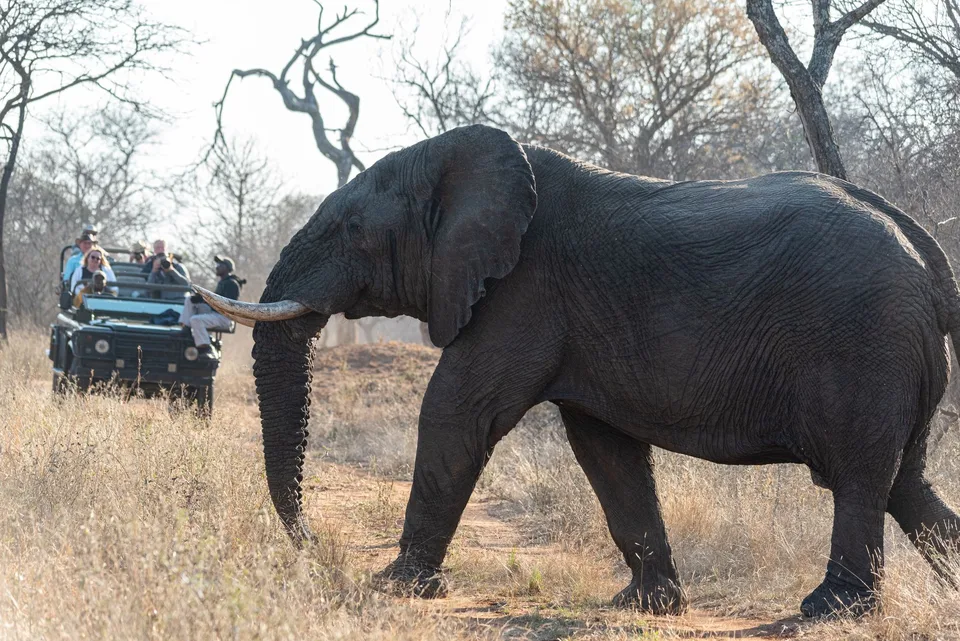
People who have never been on safari usually picture the animals. People who have been talk about the rhythm: the dark mornings, the quiet in the vehicle when something walks out of the brush, the long lunch in the heat of the day.
Knowing that rhythm before you go makes it much easier to choose the right trip. My Africa page covers when to go and which countries fit which kind of safari. This picks up from there and walks through what the days actually look like.
How a safari day runs
Most safari days follow the animals, and the animals follow the temperature.
Early morning. A wake-up call before sunrise, coffee by the fire, and out in the vehicle as the light comes up. This is when a lot of the action happens, because the cats and many other animals are most active in the cool hours.
Late morning back at camp. Brunch or a big breakfast, then time to rest. Midday is hot, the animals are lying low, and so is everyone else.
Afternoon and sunset. Back out in the late afternoon, often ending with a drink as the sun goes down, then the drive back as it gets dark.
Evening. Dinner at camp and an early night, because tomorrow starts early again.
It’s a full day, but it’s not a busy one. There’s real downtime built in, and the midday stretch on a camp deck is part of the trip, not a gap in it.
How many camps, and how many nights
A first safari usually strings together two or three camps, with two to four nights in each. That gives you different landscapes and different animals without spending every other day packing.
A few things shape how the camps are put together:
- Variety. Different areas are known for different things: big herds, cats, river life, walking safaris. Two or three camps in different areas give you a fuller picture.
- Time on the move. Getting between camps can mean a long drive or a short flight on a small plane. Fewer moves usually means more time watching animals.
- Pace. Three nights in one place lets you settle in and get to know the area with your guide. One-night stops add up to a lot of time in transit.
Seven to ten nights on safari is a good first trip. Many people add a few days at the beginning or end, in a city or on a beach, so the long flight is worth it.
Packing for a small plane
This is the detail that surprises first-timers most. If your trip includes flights between camps on small planes, there are strict luggage limits, often around 33 pounds per person including your carry-on, and the bag usually has to be soft-sided so it can be fitted into a small hold.
That changes how you pack:
- A soft duffel instead of a hard suitcase.
- Neutral colors in layers. Mornings and evenings in the vehicle can be surprisingly cold, and the middle of the day is hot.
- Laundry is often offered at camps, so you need fewer clothes than you’d think.
- Binoculars for everyone if you can. Sharing one pair gets old fast.
The exact limit depends on the airline and the route, and I confirm it for your trip before you pack.
Health and documents
Some safari countries have vaccination requirements or recommendations, and some areas carry a malaria risk. Talk to your doctor or a travel clinic well before the trip about what applies to where you’re going. For passports and visas, my passport check article covers what to look at first.
If you’d like to add history and culture to the trip, my Egypt and Morocco article looks at Africa beyond the safari.
Why start planning now
The best-loved camps are small, often with only a handful of tents, and the popular months fill a year or more ahead. Starting early gives you the camps you want instead of the ones that are left.
If a first safari is on your list, tell me which months you could travel, what you most hope to see and how you feel about small planes. I’ll lay out the camps and the pace around that.
Ready to plan the real thing?
No pressure, no hard sell. Just tell me where you're thinking and I'll take it from there.
Start a Trip Request